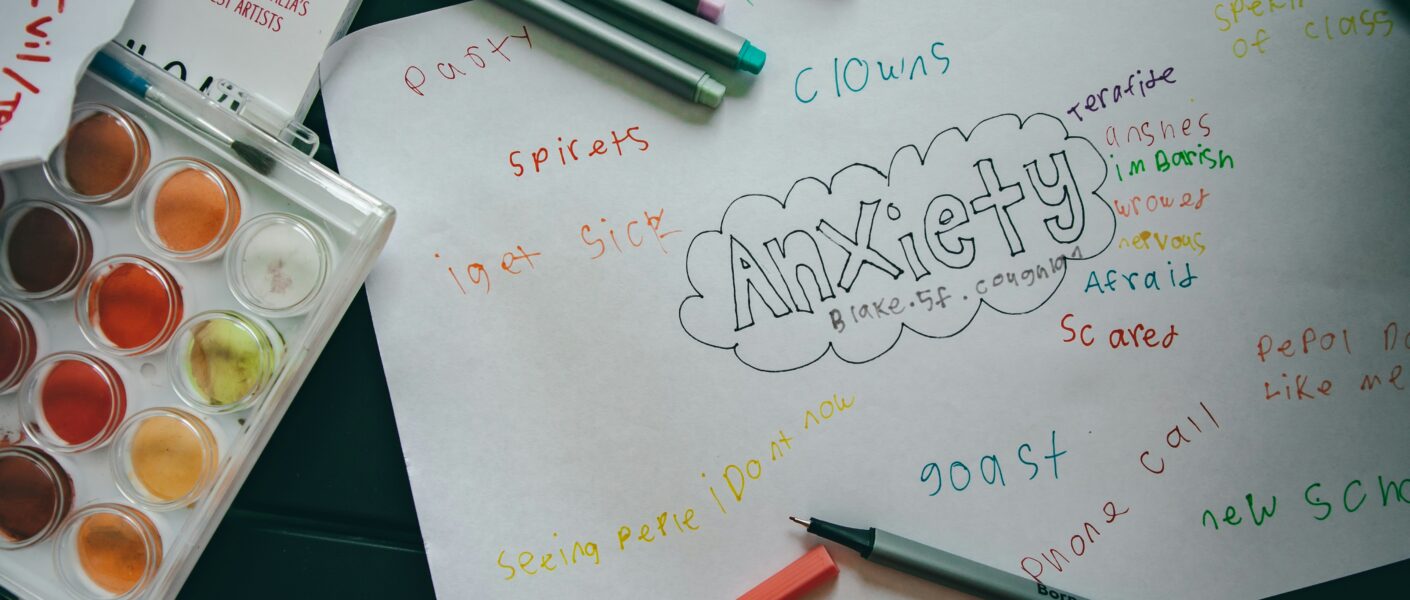
When my daughter was first diagnosed with anxiety at age seven and ADHD at age eight, I felt overwhelmed, and also a little bit guilty. The guilt came from feeling like I was the reason for the anxiety– I’ve always been an anxious person myself, and I felt like I projected that on to her. Not to mention, this all started during the pandemic, and I worried that we’d sheltered her too much, avoided going out too much and for too long.
The addition of ADHD made it all seem so much bigger, and so much more difficult to manage. I wondered if I was equipped to help her thrive. Three years later, I’ve learned that while parenting a child with anxiety and ADHD presents unique challenges, it’s absolutely possible to create a supportive environment where they can flourish.
If you’re reading this, chances are you’re on a similar journey. You’re not alone, and there is hope. Let me share what I’ve learned about recognizing the signs, managing daily life, and supporting our amazing kids who experience the world differently.
Understanding the Double Challenge: When Anxiety Meets ADHD

The combination of anxiety and ADHD in children is more common than many parents realize. Studies show that up to 50% of children with ADHD also experience anxiety disorders. What makes this particularly challenging is that these conditions can sometimes appear contradictory – while ADHD might make a child seem fearless and impulsive, anxiety can make them hesitant and worried about everything.
In my daughter’s case, her ADHD would drive her to jump into situations without thinking, but her anxiety would kick in afterward, leaving her overwhelmed by what she’d done. It was like watching her internal accelerator and brake pedal being pressed simultaneously.
Understanding how these conditions interact became crucial for our family’s success. ADHD can actually trigger anxiety in many children – the constant feeling of being “behind” or “different” can create worry and fear. Conversely, anxiety can make ADHD symptoms worse, as worried thoughts become another distraction competing for attention.
The Masking Effect
One thing to keep in mind is that these conditions can mask each other, often making it difficult to recognize two separate conditions at play. My daughter’s anxiety often made her appear more focused than she actually was – she’d sit still and look attentive, but inside, her mind was racing with worried thoughts. Meanwhile, her ADHD impulsivity would sometimes override her anxiety, leading to seemingly contradictory behaviors that confused teachers and family members.
Recognizing the Signs: What to Look For
ADHD Symptoms in Children
Initially, ADHD wasn’t even on my radar as a possible diagnosis for my daughter. Even our pediatrician initially diagnosed her with anxiety, but after working to treat that for several months, we started recognizing other signs that made it evident that anxiety wasn’t the only thing we were dealing with. Once she started third grade, we noticed more impulsivity that had always been present to some degree, but it suddenly seemed so much worse. Learning to identify ADHD symptoms helped me understand my daughter’s behavior wasn’t defiance – it was her brain working differently. While not every child with ADHD exhibits all of these (mind didn’t), here are some of the key signs to look for:
Inattention:
- Difficulty focusing on tasks or activities
- Easily distracted by external stimuli
- Forgetfulness in daily activities
- Trouble organizing tasks and belongings
- Avoiding or disliking tasks requiring sustained mental effort
Hyperactivity:
- Fidgeting or squirming constantly
- Difficulty staying seated
- Running or climbing inappropriately
- Talking excessively
- Always “on the go”
Impulsivity:
- Blurting out answers before questions are finished
- Difficulty waiting turns
- Interrupting others frequently
- Making decisions without considering consequences
Anxiety Symptoms in Children
Anxiety in children often manifests differently than in adults. Here’s are some signs and symptoms to watch for:
Physical Symptoms:
- Frequent stomachaches or headaches
- Trouble sleeping or nightmares
- Changes in appetite
- Restlessness or fatigue
- Muscle tension
Emotional and Behavioral Signs:
- Excessive worry about future events
- Fear of making mistakes
- Perfectionism or avoidance of activities
- Meltdowns or tantrums when facing feared situations
- Seeking constant reassurance
- Difficulty separating from parents
Daily Management Strategies That Actually Work
Creating Structure with Flexibility
One of the biggest lessons I learned is that children with ADHD and anxiety need structure, but it has to be flexible enough to accommodate their changing needs. “Structured flexibility” is our go to.

Morning Routine Success:
- Visual schedules with pictures for each step
- Built-in buffer time for ADHD-related delays
- Calm-down strategies ready for anxiety flare-ups
- Consistent wake-up and breakfast times
- Backup plans for when routines don’t work
Homework and School Support:
- Designated quiet workspace free from distractions
- Regular breaks
- Anxiety-management tools like breathing exercises
- Communication with teachers about both conditions
- Fidget tools and movement breaks
The key is consistency without rigidity. When my daughter has a particularly anxious day, we might adjust the routine while keeping the core structure intact. This approach helps her feel secure while accommodating her varying needs.
Managing Meltdowns and Overwhelming Moments

Both ADHD and anxiety can lead to emotional overwhelm, but the triggers and responses can be different. ADHD meltdowns often stem from frustration, overstimulation, or feeling overwhelmed by tasks. Anxiety meltdowns typically arise from worry, fear, or anticipation of negative outcomes.
Our Meltdown Management Strategy:
- Recognize early warning signs – fidgeting, rapid speech, or withdrawal
- Create immediate safety – remove from triggering situations
- Use grounding techniques – deep breathing, counting, or sensory tools
- Validate feelings – “I see you’re really worried about this”
- Problem-solve together – once calm, work on solutions
Weighted blankets can be a huge help at night or any time a child is feeling overwhelmed: https://amzn.to/46svckc
This game is a great, fun way to communicate thoughts and feelings: https://amzn.to/45R8iCY
Sleep and ADHD-Anxiety: The Complex Relationship
Sleep issues are common with both conditions, but they manifest differently. ADHD can make it hard to wind down and fall asleep, while anxiety can cause middle-of-the-night wake-ups and racing thoughts. We’ve found that addressing sleep is crucial for managing both conditions during the day.
Sleep Success Strategies:
- Consistent bedtime routine starting 90 minutes before sleep
- Blue light filters on devices after 7 PM
- Weighted blanket for deep pressure comfort
- White noise machine for ADHD distractibility
- Worry journal to “park” anxious thoughts before bed
Communication Strategies
Learning to communicate effectively with my daughter required adjusting my approach for both conditions. For ADHD, I learned to give clear, concise instructions and check for understanding. For anxiety, I discovered the importance of validation and teaching coping strategies.
What Works:
- Breaking large tasks into smaller, manageable steps
- Using positive reinforcement consistently
- Teaching emotional regulation techniques
- Creating a calm-down space in our home
- Practicing mindfulness together
Building Your Support Network
Parenting a child with anxiety and ADHD isn’t something you should do alone. Building a strong support network made all the difference for our family.
Professional Support Team
Essential Team Members:
- Pediatrician or family doctor
- Child psychologist or psychiatrist
- School counselor or special education coordinator
- Occupational therapist (if needed)
- Behavioral therapist
Finding Your Parent Community

Connecting with other parents who understand this journey has been invaluable. Online support groups, local meetups, and school-based parent networks can provide both practical advice and emotional support.
Treatment Options and Interventions
Therapy Approaches
Cognitive Behavioral Play Therapy (CBPT) has been incredibly helpful for addressing both conditions. CBPT helps children identify negative thought patterns and develop coping strategies through play. My daughter actually loves her therapy sessions.
Behavioral interventions work well for ADHD symptoms, focusing on reward systems and consequence structures that make sense to the child.
Medication Considerations
While medication isn’t right for every child, it can be a helpful tool when used as part of a comprehensive treatment plan. We worked closely with our daughter’s pediatrician to find the right balance, understanding that treating both conditions simultaneously requires careful monitoring.
These workbooks are great resources for helping kids learn to manage their anxiety: https://amzn.to/44p106U
School Success Strategies
Working with your child’s school is crucial for their success. We have been extremely fortunate in this area, as our school has been amazingly supportive through the entire process. I communicate regularly with her teachers and counselors.
My daughter was invited to participate in a program at her school called “Worry Warriors.” The group meets weekly to talk about their worries and find ways to manage them. Through the program, my daughter created a “worry jar,” where she writes down her worries and puts them in the jar so that she doesn’t have to keep them in her head anymore. She also created a box full of calm down tools; the box includes various fidget toys and other things that she got to pick out specifically to help her calm down. Most classrooms at her school have a “calm down corner,” where students can go when they are feeling overwhelmed in the classroom. My daughter created her own calm down corner in her bedroom, which has been extremely helpful for her.
Unfortunately, there are many schools that do not have these types of programs in place. Parents can still advocate for their children effectively while building collaborative relationships with teachers, administrators and counselors. The key is helping school personnel understand that ADHD and anxiety aren’t excuses for poor behavior – they’re explanations that require specific strategies.
Creating an Effective School Plan
504 Plans or IEPs can provide necessary accommodations. Common accommodations include:
- Extended time for tests and assignments
- Breaks during long tasks
- Preferential seating away from distractions
- Alternative methods for demonstrating knowledge
- Access to a quiet space for anxiety management
- Modified homework expectations
- Permission to use fidget tools or standing desks
Home-School Communication
Regular communication with teachers helps ensure consistency between home and school strategies. I established weekly check-ins and shared successful strategies we use at home.
What works for communication:
- Email updates about changes in medication or home situations
- Sharing successful calming strategies from home
- Providing teachers with “cheat sheets” about my daughter’s triggers
- Celebrating successes together, not just addressing problems
- Being available for quick phone calls when needed
Navigating Social Challenges
Children with ADHD and anxiety often face social difficulties. ADHD can make them seem “too much” to peers, while anxiety can make them withdraw or seem unfriendly. We’ve worked on social skills both at home and through school-based social groups.
Social strategies that help:
- Role-playing common social scenarios
- Teaching appropriate ways to join conversations
- Helping her recognize social cues
- Building confidence through structured social activities
- Connecting with other parents to arrange playdates
- Working with school counselors on peer relationships
The Sibling Factor: Supporting the Whole Family
Having a child with ADHD and anxiety affects the entire family dynamic. There have been times where my other children have felt overlooked when their sister needed extra attention, and it can be difficult for siblings to understand why the rules seem different for one child.
Supporting siblings:
- Age-appropriate explanations about ADHD and anxiety
- Individual time with each child (even five or ten minutes can make a difference)
- Family meetings to discuss challenges and solutions
- Therapy for siblings when needed
- Celebrating each child’s unique strengths
- Teaching empathy and understanding
Family strategies that work:
- Clear, consistent expectations for all children
- Flexible implementation based on individual needs
- Regular family activities that everyone enjoys
- Open communication about feelings and challenges
- Professional support when family stress becomes overwhelming
Self-Care for Parents: You Can’t Pour from an Empty Cup
Perhaps the most important lesson I learned is that taking care of myself isn’t selfish – it’s essential. Parenting a child with anxiety and ADHD is demanding, and parent burnout is real. I’ve learned to recognize the warning signs of my own overwhelm and have strategies in place to address them.
Recognizing Parent Burnout
Warning signs I watch for:
- Feeling constantly exhausted, even after rest
- Losing patience more quickly than usual
- Feeling resentful about my child’s needs
- Isolating from friends and family
- Physical symptoms like headaches or stomach issues
- Difficulty sleeping despite being tired
- Questioning my parenting abilities constantly
Practical Self-Care Strategies

I admit that I struggle to find time for a lot of these things these days, but I can also admit that I feel SO much better when I DO find the time to do them– or at least some of them:
Daily Practices:
- Morning meditation or quiet time (even 5 minutes helps)
- Regular exercise, even if just a 10-minute walk
- Connecting with supportive friends via text or calls
- Setting boundaries with school and extracurricular demands
- Celebrating small wins throughout the day
- Practicing gratitude for positive moments
Weekly Practices:
- Date night or personal time away from home
- Engaging in hobbies you enjoy
- Attending support group meetings (online or in-person)
- Planning something to look forward to
- Having honest conversations with trusted friends
- Professional therapy when needed
Self-Care? More Like Self-Where: A Mom’s Guide to Vanishing Acts – Mind-Full Mama
Building Your Support Network
Creating a strong support system:
- Other parents who understand this journey
- Professional therapists for yourself
- Trusted family members who can provide respite care
- Online communities and forums
- Local support groups
- Reliable childcare providers who understand special needs
I’ve learned that asking for help isn’t weakness – it’s wisdom. Whether it’s having a friend pick up your child from school so you can have a quiet hour, or hiring a babysitter so you can attend a support group meeting, these investments in your wellbeing pay dividends for your entire family.
Looking Forward: Embracing the Journey
Three years into this journey, I’ve learned that having a child with anxiety and ADHD isn’t a limitation – it’s a different way of experiencing the world. My daughter’s unique brain brings creativity, empathy, and perspective that enriches our family. It’s been amazing to watch her grow and learn more about herself. She has come so far since we first started this journey, and she is a really cool, sweet, funny, resilient kid.
She’s taught me to slow down, to appreciate small victories, and to find joy in unexpected places. While the challenges are real, so is the growth, resilience, and deep connection that comes from navigating this journey together. We still hit bumps in the road, but we’ve learned how to deal with and overcome them.
And that guilt that I felt in the beginning? That has gone away for the most part. There is certainly a genetic component to anxiety, but I can’t help having anxiety any more than the next person. Helping her with her journey has also helped me with my own symptoms (although there is always room for improvement!). I’ve definitely learned the importance of dealing with symptoms in a positive way.
Final Thoughts
If you’re just beginning this journey, remember that progress isn’t always linear. Some days and experiences will be harder than others, and that’s okay. What matters is showing up consistently, advocating for your child, and remembering that with the right support, children with anxiety and ADHD can and do thrive.
Your child’s brain works differently, and that’s not something to fix – it’s something to understand, support, and celebrate. You’re not alone in this journey, and there are resources, communities, and professionals ready to help.
Have you found strategies that work for your family? Share your experiences in the comments below – we’re all learning together.
This website contains affiliate links to Amazon.com. As an Amazon Associate, I earn from qualifying purchases made through these links. This means that if you click on a product link and make a purchase, I may receive a small commission at no additional cost to you. These commissions help support the content on this site. I only recommend products that I believe will be of value to my readers. Thank you for your support.